Orca
The agent development environment
About Orca
Orca is a desktop application for running several coding agents at the same time without them treading on each other. Each task gets its own git worktree, and inside that worktree you get the agent session, a terminal, a diff view, a file tree and a browser pane, all in one window. Stably AI, the company behind it, describes it as an agent development environment rather than an IDE, and that is the right way to think about it: the code editor is secondary, and the primary object is the agent run and what it produced. It exists because the workflow it supports, five or ten long-running agent tasks in flight at once, is genuinely awkward with a plain terminal and plain git, and the tools that make it manageable have mostly been private scripts until now.
The important design decision is that Orca brings no model and no agent of its own. It runs the agent CLIs you already have, using the subscriptions you already pay for: Claude Code, Codex, OpenCode, Gemini CLI, Cursor, GitHub Copilot, Cline, Kilocode, Goose, Kiro, Qwen Code and around two dozen others are listed on the homepage, plus any other CLI agent. Prompts and code go straight from your machine to the provider you configured; Orca does not sit in the middle and, per its enterprise page, does not inspect or store them. The whole thing is MIT licensed and can be run as a desktop app, as an always-on Orca server inside your own network, or both. The repository passed 71,000 stars within six months of its March 2026 creation and is developed in the open, with a very large open issue count to match.
You download the app for macOS (Apple Silicon or Intel), Windows or Linux and point it at a repository. Creating a task creates a worktree and a workspace for it; an optional orca.yaml describes how a workspace should be set up, so every agent starts from the same baseline. Inside the workspace you launch whichever agent CLI you want, watch it work, and open a terminal or a browser tab beside it, for example to run the dev server the agent just changed. The task list can pull from GitHub and Linear, so an issue becomes a workspace with one action. When an agent finishes, you read the diff in Orca, iterate or discard, and the change lands as a branch and a pull request like any other code. A companion app for iOS and Android pairs with the desktop and shows live agent status, account usage and the terminal, so a long-running job can be nudged from a phone.
- •Isolated Workspaces - One git worktree per task, so parallel agents never share a working directory or a dirty index
- •Bring Your Own Agent - Runs Claude Code, Codex, OpenCode, Gemini CLI, Cursor, Copilot, Cline and any other CLI agent on your existing subscription; no Orca model, no Orca tokens
- •Everything Beside the Agent - Terminals, diffs, a file tree, notes and a browser pane in the same window as the session
- •Automations and Tasks - Workspace setup as code via orca.yaml, and tasks sourced from GitHub and Linear
- •Remote and Mobile - An always-on Orca server for headless runs, and a phone app that pairs with the desktop to monitor and steer sessions
- •MIT and Self-Hostable - Open source; the enterprise page positions it as local-first with an audit trail made of ordinary git history and pull requests
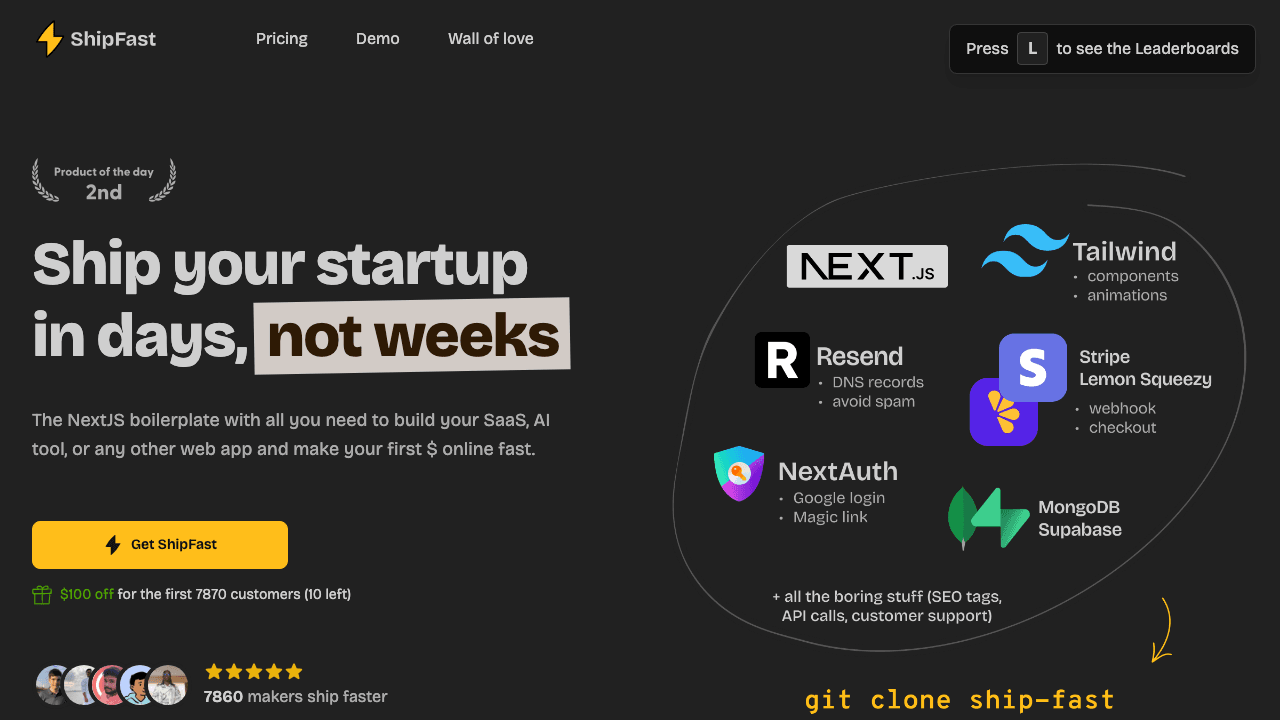
Developers who already run more than one coding agent at a time and have felt the pain of juggling worktrees, terminals and half-finished diffs by hand. It suits teams standardising on a mix of agents rather than one vendor, and anyone whose security review wants prompts and code to go directly to an approved provider with nothing in between. It is not for someone who wants a single opinionated agent with a polished built-in editor; Orca assumes you bring the agent and the editor of your choice. It is also six months old with thousands of open issues, so expect rough edges and fast change, and note that the "Ship 100x" on the homepage is marketing rather than a measurement.