Related AI tool mentioned in article: Claude
Related AI tool mentioned in article: Exa
Related AI tool mentioned in article: Perplexity

Phind Alternatives: What Developers Actually Use Now

Bojan Tomic
8 min read
AI Search
Phind Alternatives: What Developers Actually Use Now

People are still looking for Phind. Not in a nostalgic way, in a "my bookmark stopped working, what do I do now" way.

I know this because I can see it. Phind is still one of the largest sources of search demand reaching this site, months after the shutdown, and the shape of it has changed. The questions used to be is it gone. Now they are what do I use instead, and "phind alternative" keeps turning up among them.

So this is that post. If you want the story of why Phind died 37 days after raising $10 million, I wrote that in Why Did Phind Shut Down. This one is only about what to move to.

What You Are Actually Replacing

Before listing alternatives it is worth being precise about what Phind did, because most of the tools people recommend replace only half of it.

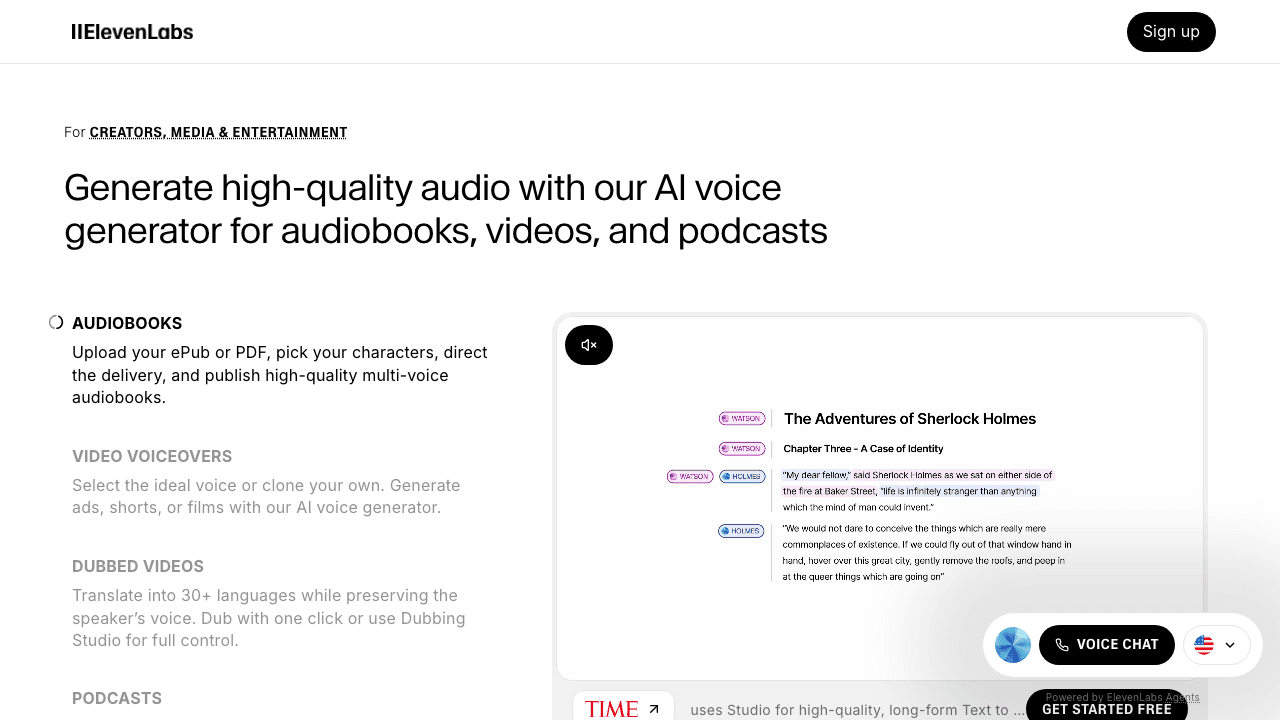
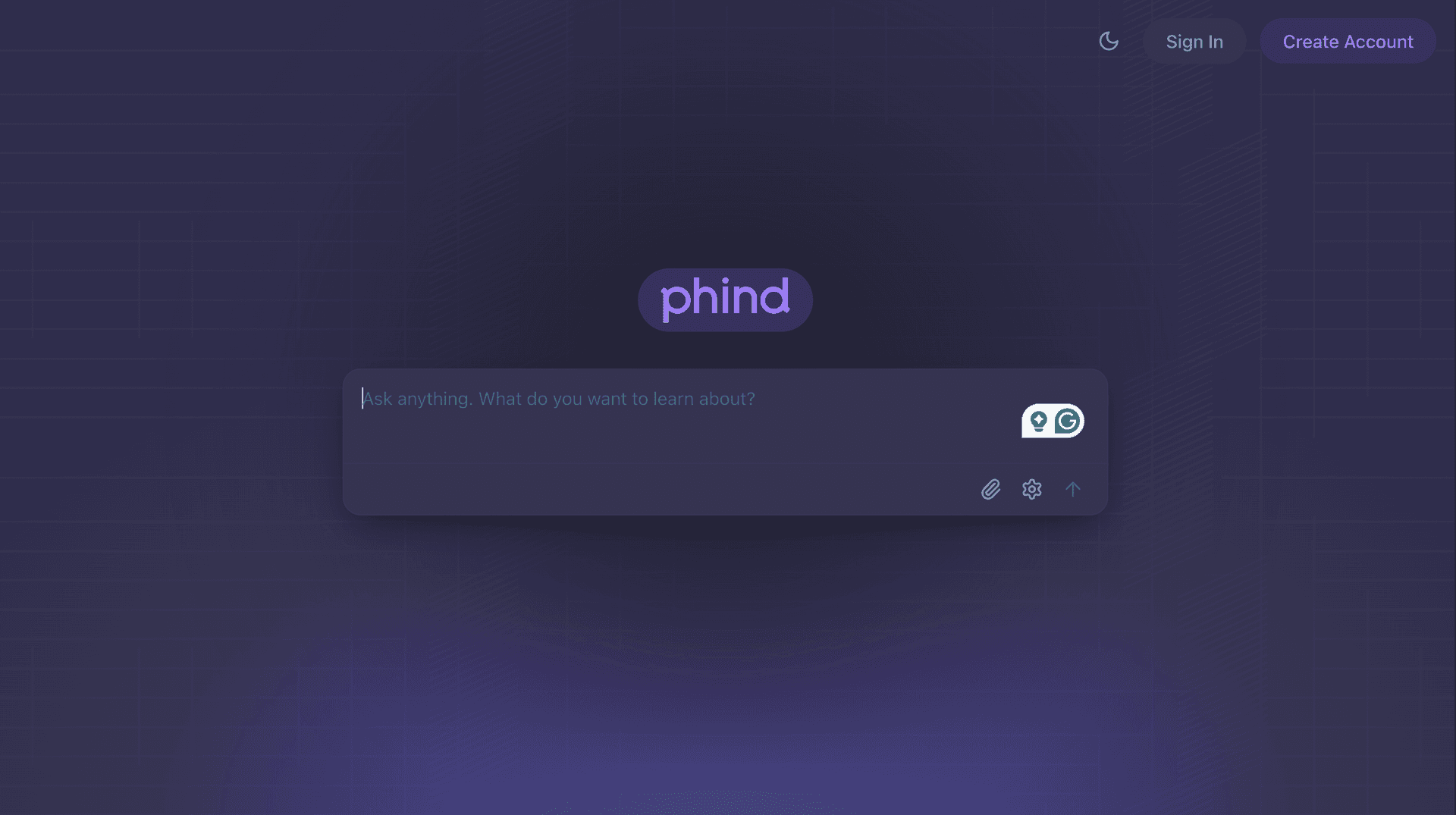
Phind was two products stapled together. It was a search engine that read documentation, Stack Overflow and GitHub issues and answered technical questions with citations. It was also, increasingly, a code generator that would write the fix rather than just point at it. The reason it felt different from asking ChatGPT was the first half: it went and looked things up, and it showed you where the answer came from.

That split matters when you choose a replacement. If what you miss is cited technical search, you want an answer engine. If what you miss is "write this function for me", you want a coding agent, and the market for those has moved a long way since January. Most people miss the first thing and get recommended the second.

One more honest note before the list. Every price below was read off the vendor's own pricing page rather than copied from another directory, and each tool page on this site carries the date it was last checked. Prices move. If you are reading this months from now, check the tool page.

Perplexity: The Closest Thing to a Direct Swap

Perplexity is where most Phind users landed, and it is still the honest first recommendation. It is an answer engine with inline citations, which is the specific behaviour that made Phind useful.
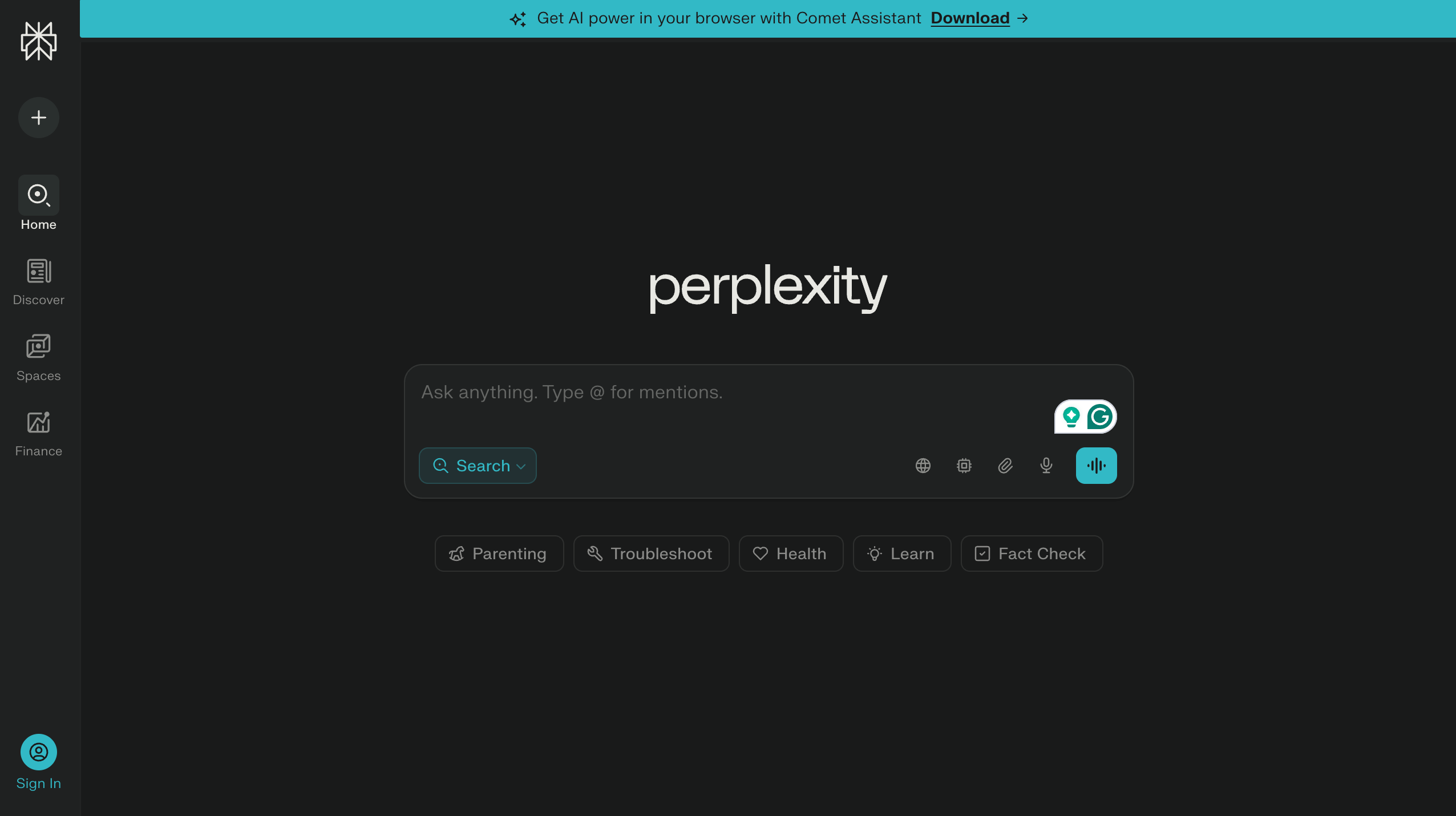
Perplexity answer engine with inline citations

Free tier, Pro at $20 a month. That buys unlimited Pro searches and model choice.

What it does well: citations are genuinely good, and it is fast enough that you will use it instead of opening three Stack Overflow tabs. For "why does this library throw this error", it usually beats a Google search on time to answer.

What you lose: Phind was tuned for developers and Perplexity is not. Ask it something niche about a build tool and you will get a mix of real documentation and SEO blog spam, and it does not always know which is which. You end up checking the citations more often than you did with Phind, which is the tax for using a general tool.

Claude: What Most People Mean by "Claude vs Phind"

Enough people search "claude vs phind" that it is worth answering directly.

Claude is not a search engine. It is a reasoning model with web search attached, and that difference shows up in how you use it. Perplexity answers a question. Claude works a problem, and searches when it needs to.
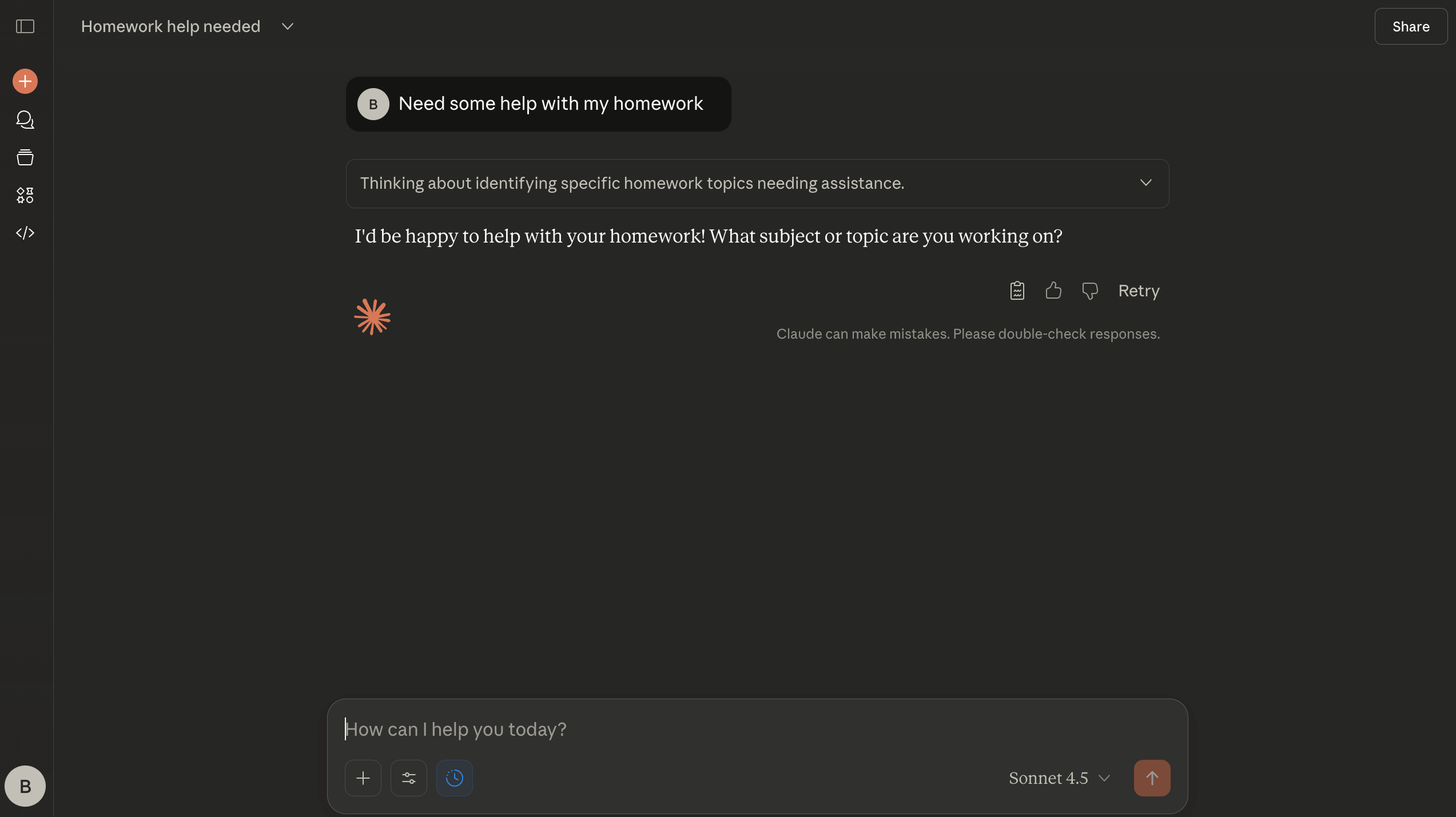
Claude, a reasoning model with web search attached

Free tier with roughly 50 messages a day. Pro is $20 a month. Claude Code, the terminal agent, is $30 a month.

What it does well: understanding a messy problem you cannot phrase cleanly. If your question is "this build works locally and fails in CI and I do not know why", Claude is better than an answer engine, because the useful output is a line of reasoning rather than a citation.

What you lose: it is slower, and web search is not its strength. For a question with one factual answer that exists in documentation, an answer engine gets there first. I would not use Claude to look up a flag.

If you are choosing between them: Perplexity for lookups, Claude for problems. Most people who miss Phind actually miss both halves and end up paying for two things, which is worth saying out loud rather than pretending one tool covers it.

Exa: Search Built for Programs, Not People

Exa is the interesting one, and it is not for everybody.

It is a search API designed to be called by code and by agents rather than typed into a box. If your reason for using Phind was that it understood technical queries and returned things you could actually use, and you are comfortable writing a script, Exa gets closer to that than a chat interface does.
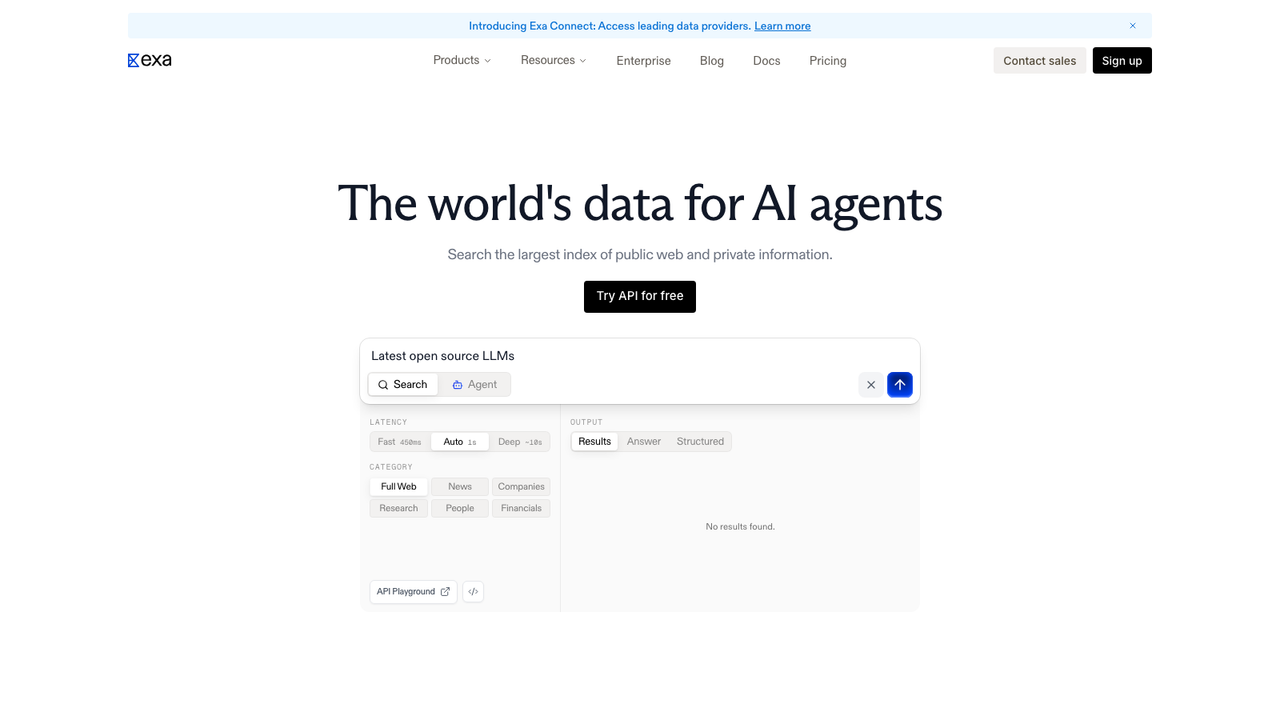
Exa, a search API built to be called by code

Pricing is not a subscription. Starter is free with $20 of credits on signup and $10 every month, and it does not ask for a card. Beyond that it is pay as you go per request: $7 per 1,000 searches, more for deep search and reasoning variants.

What it does well: no monthly commitment, and a free allowance that is enough to find out whether it fits before you spend anything.

What you lose: there is no polished consumer product here. If you want to open a tab and type a question, this is the wrong tool and you should use Perplexity.

The Coding Agents, If That Is the Half You Miss

If what you actually used Phind for was generating code rather than finding answers, the honest advice is that this category has changed more than the search one, and you have better options now than you did in January.

Cursor is the mainstream choice: an AI-first editor built on VS Code, free tier with 2,000 completions a month, Pro at $20 with a credit pool, Ultra at $200.
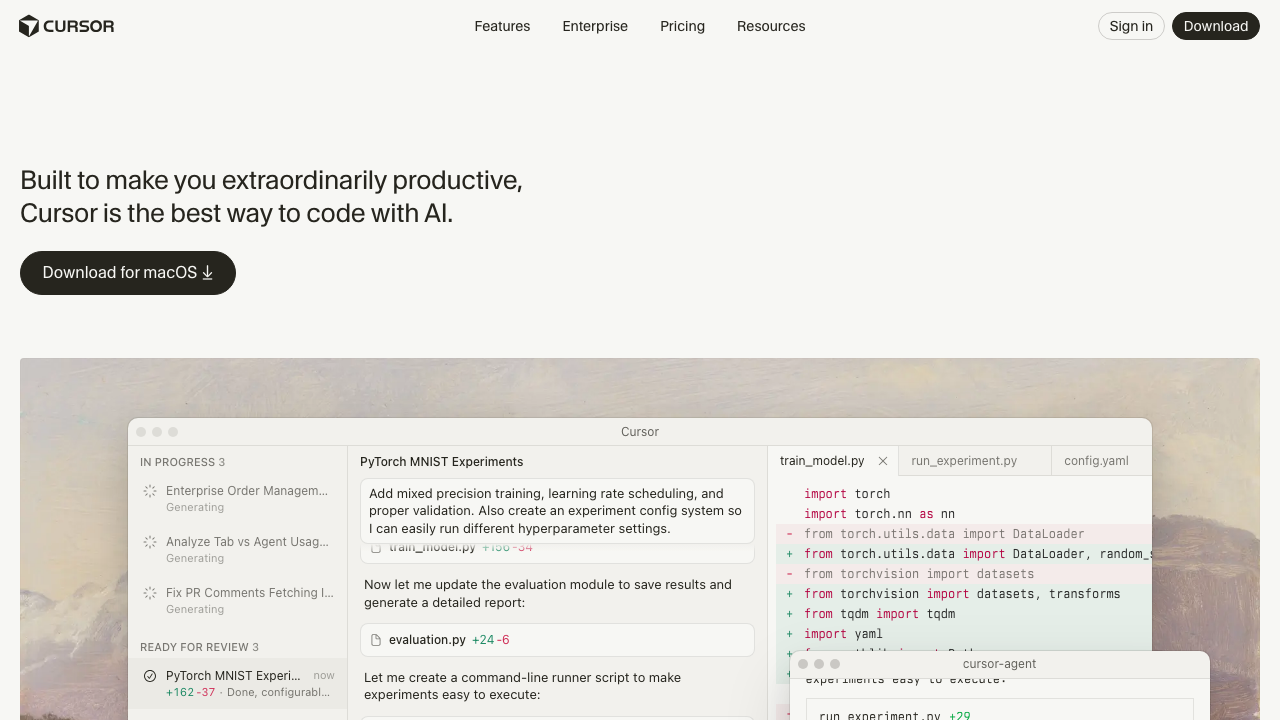
Cursor, an AI-first editor built on VS Code

Cline is the open-source counterargument. Apache-2.0, no subscription and no seat fee, and you pay only for model inference with your own API key. The running cost is yours to see rather than a flat charge you forget about, which some people prefer and others hate.

Continue.dev sits between them, open source and working in both VS Code and JetBrains, which matters if your team is not all on the same editor.

I would not call any of these a Phind replacement. They are a different tool for a different half of the job, and pretending otherwise is how people end up disappointed.


One email every two weeks: the new AI tools worth trying, reviewed properly, with prices read off the vendor's own page.

Plus 14 Claude Code skills free when you join: two packs, built from the work of running this directory.

What I Would Not Recommend

A few things get suggested in these threads that I think are wrong.

Going back to plain Google is advice people give because it sounds hard-nosed. It is free and comprehensive and there is no hallucination risk. It is also slower for the exact queries Phind was good at, and the results for programming questions have got noticeably worse. It is a fallback, not a plan.
ChatGPT with search gets recommended constantly and it is fine, but if you are choosing fresh rather than already paying for it, Perplexity does the search half better for the same $20.

And a general warning about this category: You.com still appears on alternative lists as a consumer search product, but it now sells API access only, with no consumer subscription publicly on sale. That is the sort of thing an alternatives roundup gets wrong when it is assembled from other roundups instead of from the vendors' own pages.

What I Would Actually Do

If you want one thing: Perplexity, $20, and accept that it is less developer-focused than what you lost.

If you want the setup that most closely reconstructs Phind: Perplexity for lookups and Claude for problems. That is $40 a month, which is more than Phind cost, and I understand if that is where you stop reading.

If you are cost-sensitive or building something: Exa's free tier costs nothing and asks for no card, and Cline is free except for inference. That combination gets you a long way for the price of the tokens you burn.

The uncomfortable truth is that nothing on this list is Phind. Phind's advantage was being one product that did both halves for developers specifically, and nobody has rebuilt that, which is presumably related to why it could not stay in business. The alternatives are all either broader and shallower or narrower and deeper.
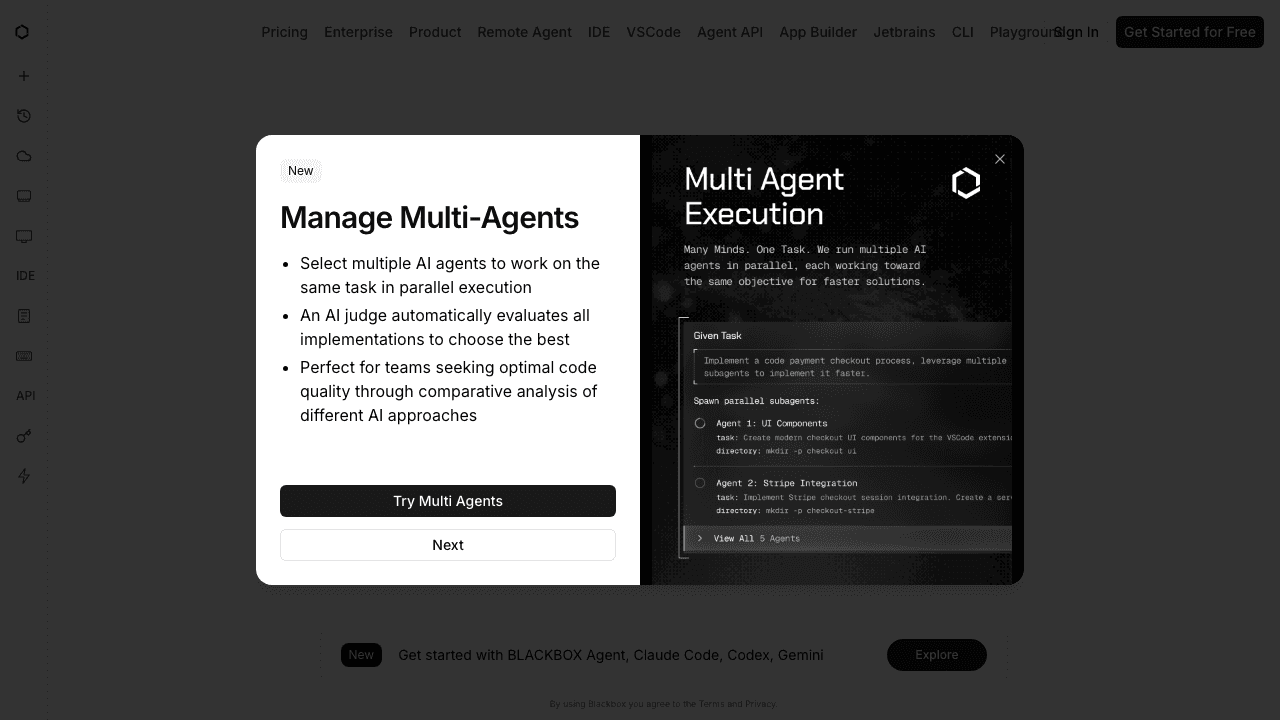
If you want to see what else has landed in this category, the AI search tools in the directory all carry prices checked against the vendor's own page, with the date on each one. And if you are curious how a similar story played out for a coding tool rather than a search one, what happened to Codeium covers a product that did not shut down so much as become something else.

Free Tools

View All
ChatGPT AI tool logo

ChatGPT

Conversational AI that understands and responds

ChatGPT is OpenAI's conversational assistant for writing, analysis, coding and research, with image and web tools. Free tier, Plus at $20 a month.

Free
Color Palette Pro AI tool logo

Color Palette Pro

Design Tool

Color Palette Pro generates and refines colour palettes for design work, exporting in the formats design and CSS tools expect. Free to use.

Free
Namelix AI tool logo

Namelix

AI-powered business name generator

Namelix AI business name generator using machine learning. Generate creative, catchy, available domain names and logos for startups, small businesses, projects.

Free
Metaphor AI tool logo

Metaphor

AI Search Engine for Research

Metaphor is an AI-powered search engine designed specifically for research and creative exploration. Free tier available.

Free
Phind AI tool logo

Phind

AI search engine for developers (SHUT DOWN January 16, 2026)

Phind was an AI-powered search engine specifically designed for developers. The service shut down on January 16, 2026. See alternatives like Perplexity, ChatGPT with search, and Claude with web search.

Free
Fast.ai AI tool logo

Fast.ai

Making deep learning accessible to everyone

Fast.ai is a free deep learning library and course series that gets working models running in a few lines of PyTorch. Free and open source.

Free
TwelveLabs AI tool logo

TwelveLabs

AI platform for video understanding

TwelveLabs is a video understanding platform that enables analyzing and searching video content using AI. Free tier available.

Free
SuperSplat Editor AI tool logo

SuperSplat Editor

3D Editing Tool

SuperSplat Editor is an open source, browser based editor for viewing, cleaning and optimising 3D Gaussian splat scenes. Engine agnostic and free.

Free
Google Antigravity AI tool logo

Google Antigravity

Development Platform

AI-powered testing that saves hours. Automated test generation & execution.

Free
Maxdesk AI tool logo

Maxdesk

Free help desk with unlimited agents and tickets, priced per workspace.

A help desk that charges per workspace instead of per agent. Unlimited agents and tickets on the free plan, with SLAs, automations and an optional AI tier.

Free
Figma AI AI tool logo

Figma AI

Your creativity, unblocked with AI-powered design

Figma AI adds generation, search and bulk rename tools directly inside the design canvas. Included with Figma Professional and Organization plans.

Free
OpenRouter AI tool logo

OpenRouter

Unified API for accessing 500+ LLM models from 60+ providers

Unified API for Claude, GPT-4, and 100+ LLMs with fallback provider support. Load balancing, automatic retries, and cost optimization for reliable AI.

Free

Vibe Coding Tools

View All
ShipFast AI tool logo

ShipFast

Launch your SaaS in days, not months

Next.js SaaS boilerplate with AI integration and auth. Authentication, Stripe payments, database included. Launch production SaaS startups 10x faster.

Paid
Codeium AI tool logo

Codeium

Free AI code completion, now part of Devin Desktop

Codeium was a free AI code completion tool. It became Windsurf, and Cognition has since folded it into Devin, where codeium.com now redirects.

Freemium
GitHub Copilot AI tool logo

GitHub Copilot

Your AI pair programmer that writes code with you

GitHub Copilot is an AI-powered code completion tool that suggests entire lines, functions, and code blocks in real-time as developers write software.

Freemium
Fast.ai AI tool logo

Fast.ai

Making deep learning accessible to everyone

Fast.ai is a free deep learning library and course series that gets working models running in a few lines of PyTorch. Free and open source.

Free
Modal AI tool logo

Modal

Serverless compute platform for AI inference, fine-tuning, and batch jobs with sub-second cold starts

Modal is a cloud infrastructure platform purpose-built for AI and machine learning workloads. Free tier, then $30.

Freemium
Codacy AI tool logo

Codacy

AI-powered code quality and security

Code review automation powered by AI. Catch issues before production.

Freemium
Browserbase AI tool logo

Browserbase

Browser infrastructure that lets AI agents use the web

Managed headless browsers plus search and fetch APIs, so your agents can operate the many sites that were never going to ship an API for what you need.

Freemium
Niteshift AI tool logo

Niteshift

The full-stack cloud for coding agents

Gives coding agents a fully provisioned cloud environment with databases, a dev server and a live browser, so they can verify their own work before review.

Freemium
omg.dev AI tool logo

omg.dev

Your coding agent, always on - give it somewhere to work

Hosted cloud computers for coding agents, so Claude Code, Codex, OpenCode and Pi keep running when your laptop is closed, with parallel agents from $5 a month.

Freemium
Google Antigravity AI tool logo

Google Antigravity

Development Platform

AI-powered testing that saves hours. Automated test generation & execution.

Free
Vercel AI SDK AI tool logo

Vercel AI SDK

Open-source TypeScript framework for building AI applications with streaming, tools, and RAG

Vercel AI SDK is an open-source framework that simplifies building AI-powered applications with a unified API for managing multiple AI providers.

Free
Builderkit AI tool logo

Builderkit

NextJS AI boilerplate for rapid development

Builderkit is a Next.js boilerplate for shipping AI SaaS products, bundling prebuilt AI apps, auth, payments and Supabase integration.

Paid