

Type codeium.com into a browser today and you will not land on Codeium.
You get a 301 to windsurf.com, which throws a 308 to devin.ai/desktop. Two redirects, three brand names, one product. I only noticed because Codeium had quietly become the biggest single traffic source on this site, and when I went to check that our listing was still accurate, the destination had moved twice.
If you are reading this because your extension renamed itself, or because a tutorial from last year pointed you at a domain that no longer exists, here is the whole chain in one place.
The Three-Name Timeline
Codeium did not shut down. That is the first thing worth saying, because the redirect chain makes it feel like it did, and that is not the same story as Phind, which genuinely went dark with two weeks notice.
What happened instead was two rebrands wrapped around an acquisition:
- 2022: Launched as Codeium by Varun Mohan and Douglas Chen, free AI autocomplete for individuals
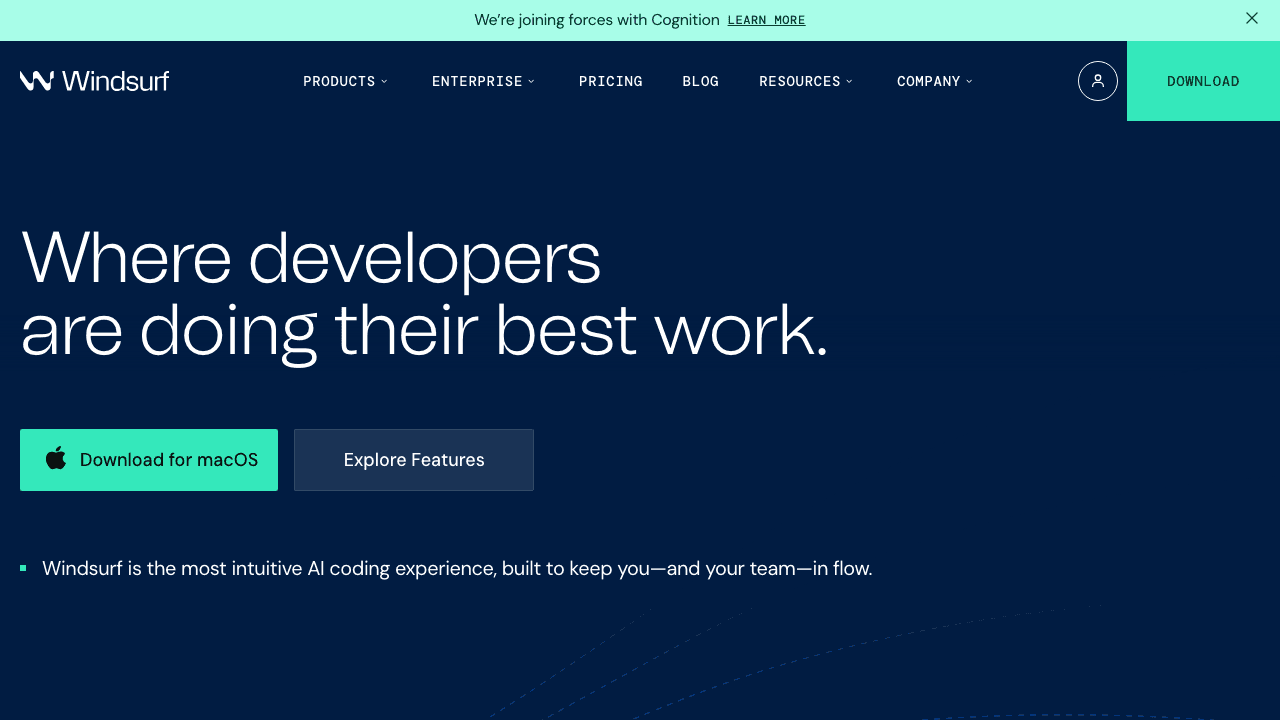
- Late 2024: Rebranded to Windsurf, pivoting from an extension to a full agentic IDE
- July 2025: Cognition AI acquired Windsurf's IP, brand, and remaining team
- June 2, 2026: Windsurf renamed to Devin Desktop, shipped as an over-the-air update
- July 1, 2026: Cascade, the original in-editor agent, reached end of life
The June rebrand had no migration wizard and no reinstall. Existing installs updated themselves and kept plans and settings intact. That is the good version of this kind of transition, and it is worth acknowledging before I get to the parts that are less good.
What Actually Changed for You
The naming is the confusing part, so here is the mapping as I understand it.
The old Codeium extension is now the Tab completions feature inside Devin. The Windsurf IDE is now Devin Desktop. Cascade, the agent you may have been using inside Windsurf, is gone as of July 1 and Devin Local replaced it as the default local agent. Cognition now ships one product family (Devin Cloud, Devin Desktop, Devin Review) where there used to be two separate brands.
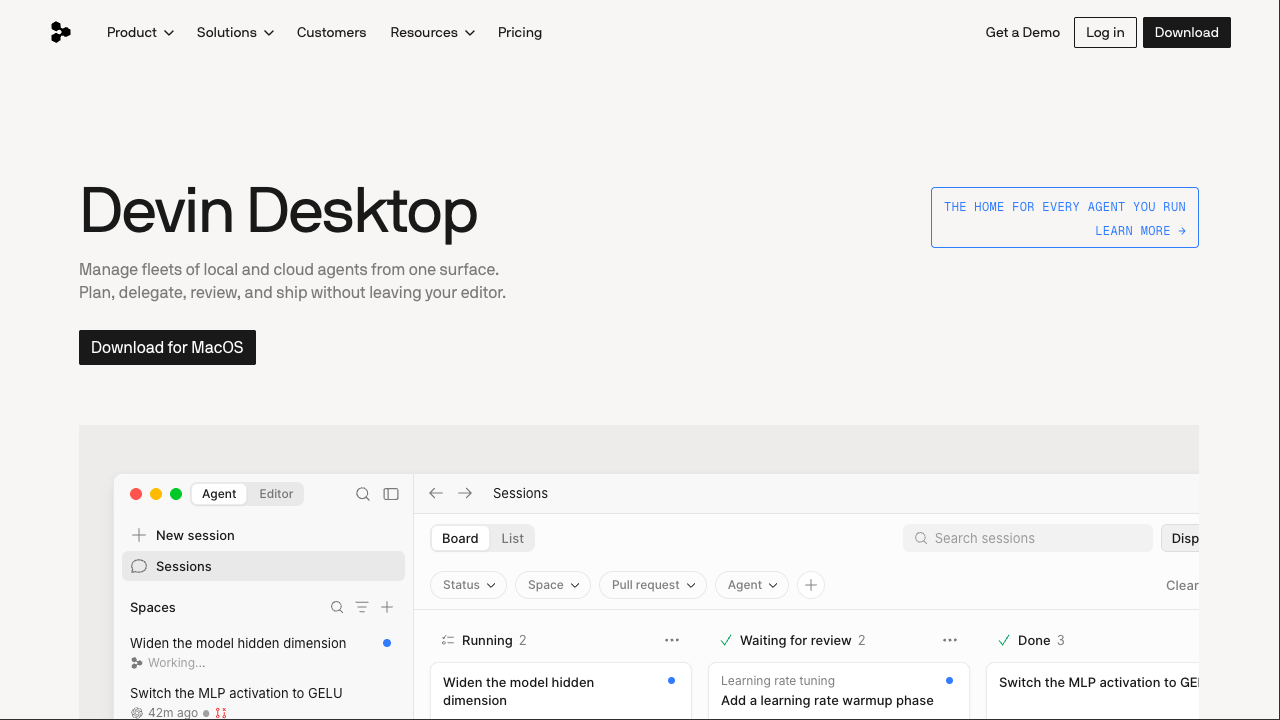
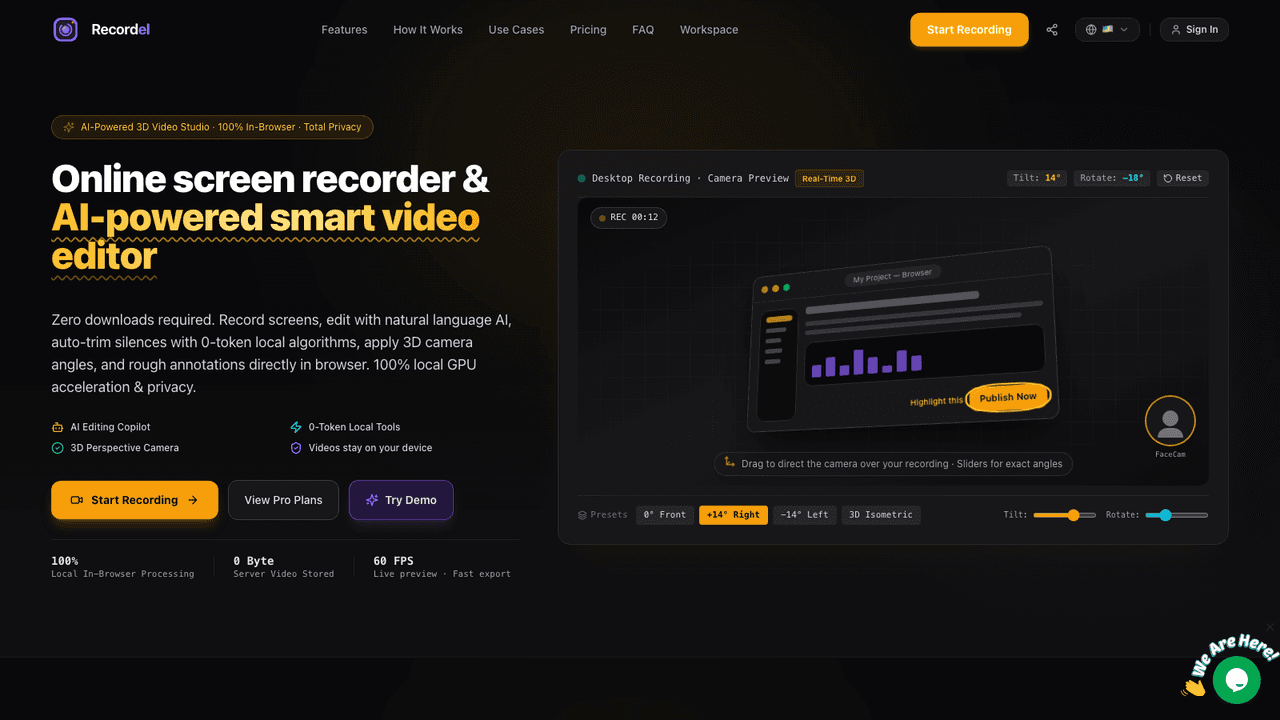
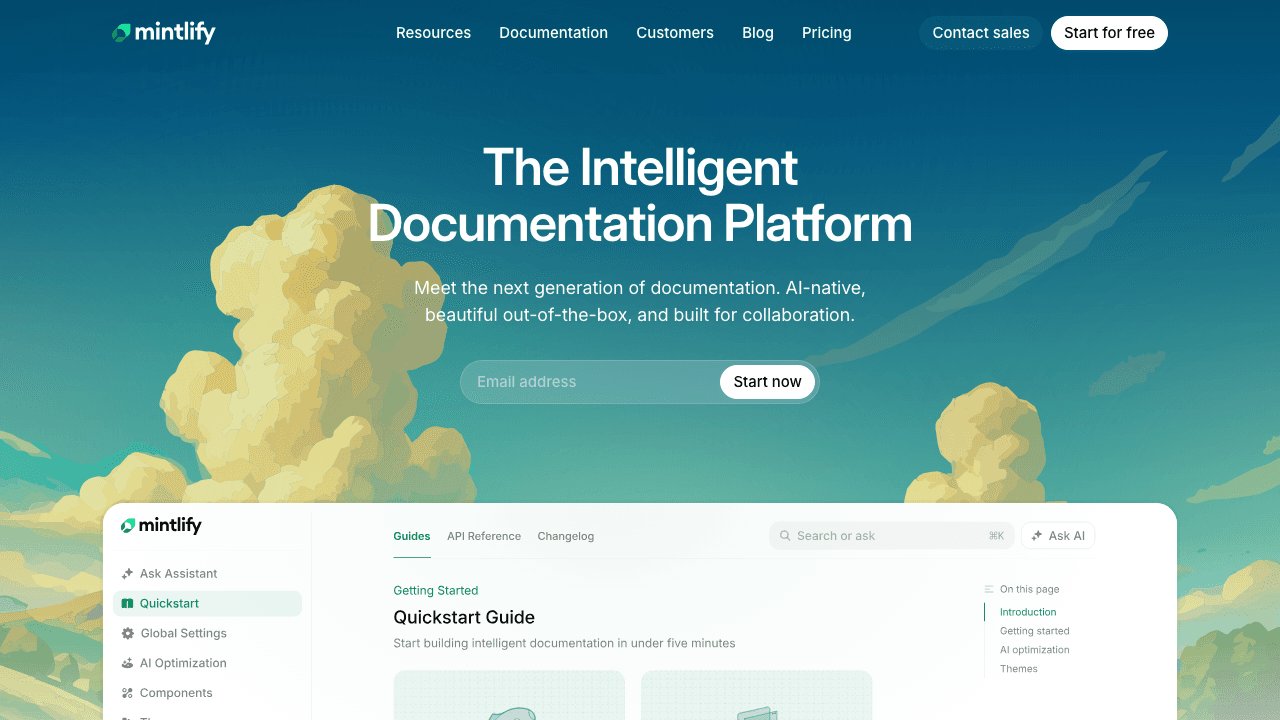
Read that headline again if you started on Codeium: "Manage fleets of local and cloud agents from one surface." That is the same lineage as a free autocomplete extension, four years and three names later. The screenshot is not a gotcha, it is just the clearest single statement of where this product went.
There is still a free tier, and the detail that matters most to old Codeium users is that it kept the thing Codeium was for. Here is the current ladder, from Cognition's own pricing page:
| Plan | Price | What you get |
|---|---|---|
| Free | $0 | Unlimited Tab completions, unlimited inline edits, light agent quota, limited model availability |
| Pro | $20/month | Full model availability including OpenAI, Claude and Gemini frontier models, free use of SWE 1.7, cloud agents (Devin Cloud), extra usage at API pricing |
| Max | $200/month | Everything in Pro with significantly higher quotas |
| Teams | $80/month + $40 per dev seat | Unlimited members, centralised billing, admin dashboard, priority support |
| Enterprise | Contact | SAML/OIDC SSO, enterprise admin controls, dedicated deployment |
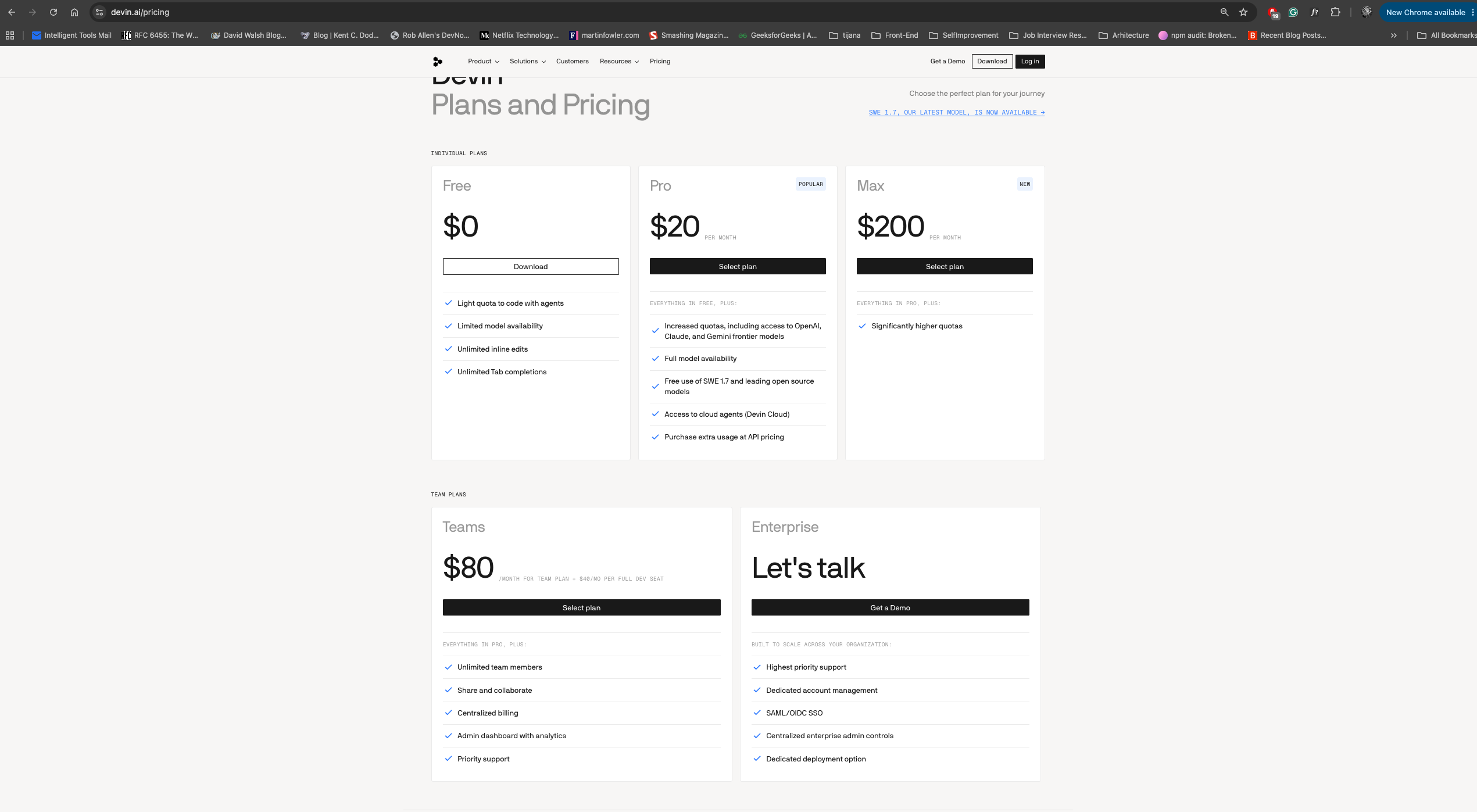
Note the Teams line, because it is easy to misread: it is an $80 monthly platform fee plus $40 per full developer seat, not $40 a seat flat. A five-developer team is $280 a month, not $200.
Existing Windsurf subscribers kept their original plan pricing through the rename.
The Part That Should Bother You
Codeium's original pitch was "free forever for individuals." That was the whole reason it built the user base it did. It was the tool you recommended to a junior who could not expense $20 a month, and the one you put on a personal machine where a Copilot seat made no sense.
Three brand names later, that product is a completion tier inside an enterprise agent platform. To be fair where fairness is due: unlimited Tab completions and unlimited inline edits are still free, so the specific promise Codeium made to individuals is intact. This is not a bait and switch and I am not going to call it one.
What changed is everything around it. The free tier now says "limited model availability" and "light quota to code with agents," so the good models and the agentic work are the upsell. The centre of gravity moved from "free autocomplete for individuals" to "fleets of coding agents for engineering orgs," and the ladder reflects it: a $200 Max tier and an $80-plus-per-seat Teams plan are not aimed at the person Codeium was originally built for. You can still stand on the free tier. You are just no longer the customer.
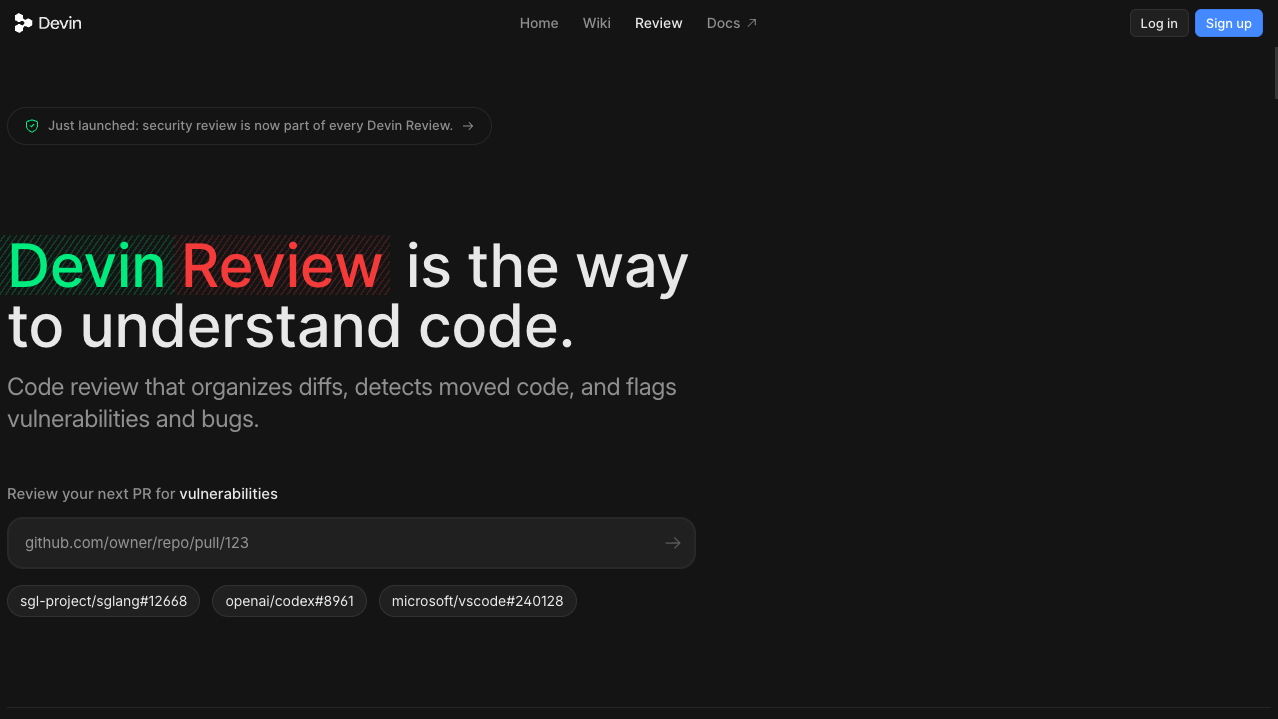
Devin Review is the clearest illustration of the new shape. Organised diffs, moved-code detection, vulnerability flagging on every pull request: this is a product sold to engineering organisations with review processes, not to the individual who installed Codeium because autocomplete was free. Nothing wrong with that product. It is just a different buyer.
Cascade reaching end of life is the concrete loss. If you had workflows built on it, they did not survive the transition, and no amount of automatic updating fixes a removed feature.
The Broader Pattern
This is the third acquisition in this exact corner of the market, and the pattern is getting hard to ignore.
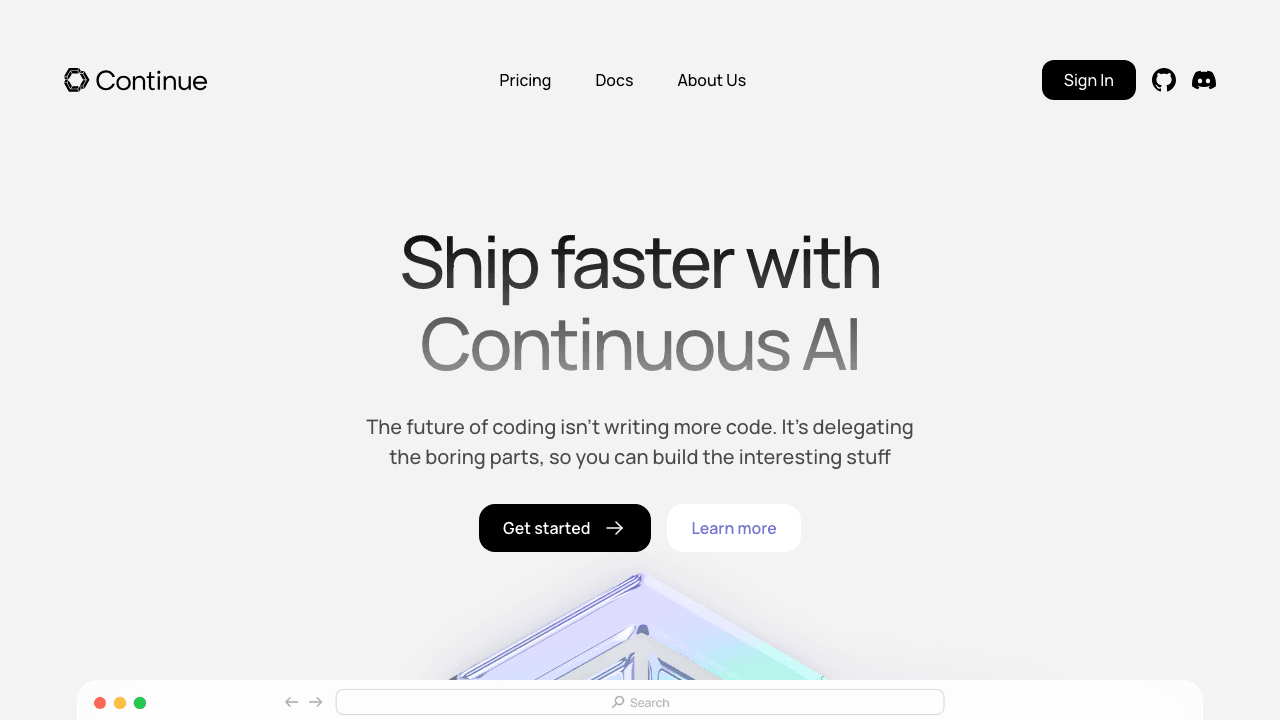
Cursor acquired Supermaven in November 2024. Supermaven was one of the genuinely good standalone completion engines, fast in a way that made Copilot feel sluggish. Anysphere refunded active subscribers in November 2025 and wound the standalone product down. JetBrains and Neovim users kept legacy access; VS Code users got nothing and were told to move to Cursor. Cursor has since also acquired Continue.
So of the five tools you would have listed as "Codeium alternatives" eighteen months ago, two have been absorbed into other products and one has been renamed twice.
If you are picking an AI completion tool in 2026, acquisition risk is a real selection criterion, not a hypothetical. The question is not just whether the tool is good. It is what happens to your workflow when the company is bought, because in this market it probably will be.
What to Use Instead
I am not going to pretend I have run all of these in anger for six months. What I can tell you is what each one is actually for, and which ones are structurally resistant to the problem above.
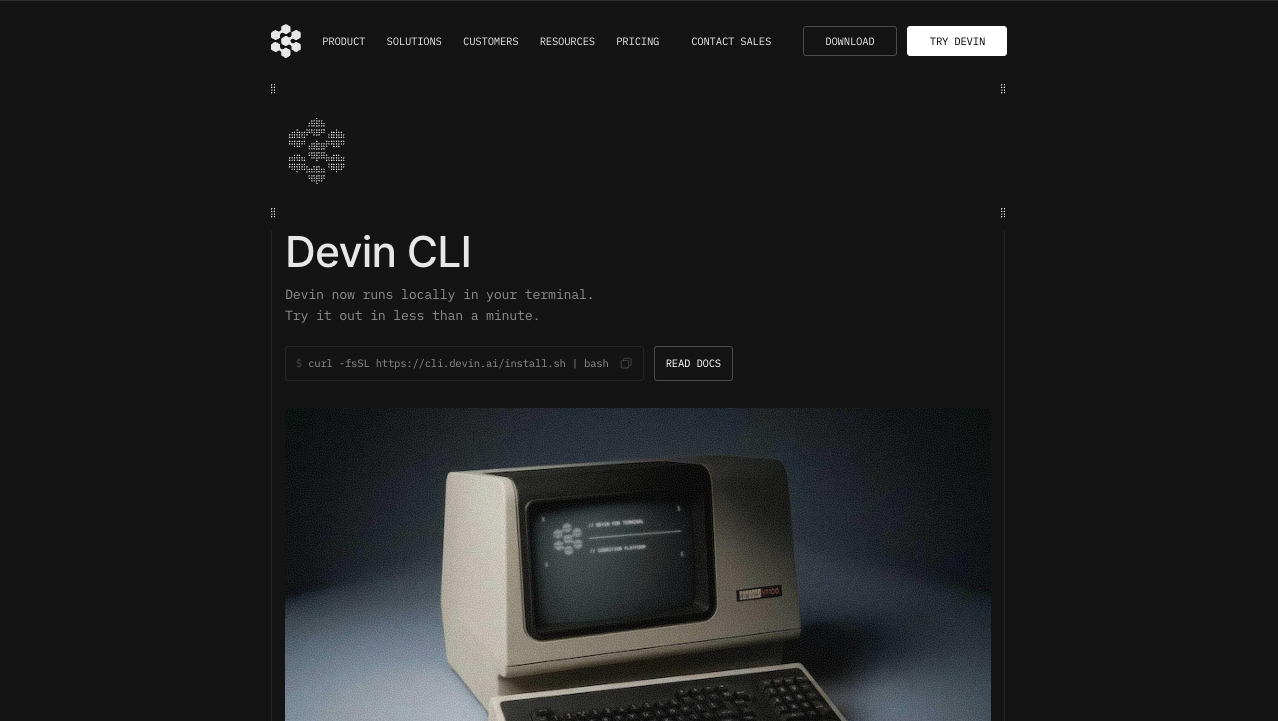
If you want to just stay put: Devin Desktop is a reasonable tool and the free tier still gives you unlimited Tab completions, which is the part you were probably using anyway. Doing nothing is a legitimate choice, and the automatic migration means you may already be using it without having decided to. You also picked up capability you did not have under Codeium, including a terminal agent that installs with one curl command.
If you want the closest thing to old Codeium: Tabnine at $12 a user is the surviving privacy-focused completion tool with a free tier, and it has stayed a completion tool rather than reinventing itself as an agent platform every eighteen months.
If you want the mainstream default: GitHub Copilot at $10 a month for individuals, free for students. It is owned by Microsoft, which is the one thing on this list nobody is going to acquire.
If you want the full agentic IDE: Cursor is where most of the Windsurf audience went. Free Hobby tier with 2,000 completions a month, Pro at $20. Note the irony that Cursor is the company doing the acquiring in this story.
If acquisition risk is what you actually care about: this is where open source stops being an ideological preference and starts being a practical hedge. Cline is Apache-2.0 with no seat fee, and you bring your own model key. Continue is open source and runs in your existing editor. Zed has a free tier with the full editor and meters AI by token rather than charging a flat assistant fee. A company can be acquired; an MIT-licensed repo on your disk cannot be renamed out from under you.
If you are on AWS anyway: Amazon CodeWhisperer is now Amazon Q Developer, which is its own small lesson in this article's theme. Free for individual use.
If you want code search rather than completion: Sourcegraph Cody at $9 a user, with a free tier.
What I Would Actually Do
If you were a happy Codeium free-tier user and you have not noticed anything break, do nothing. The rename is cosmetic from where you sit, and churning tools costs more than it saves.
If you were on Cascade, you have already had to move and you should treat that as a signal about how much of your workflow you want living inside a single vendor's agent product.
If you are choosing fresh, I would weight two things more heavily than I did two years ago. First, does this tool do one thing rather than pivoting annually into whatever the market rewards this quarter. Second, if the company is bought tomorrow, what do I keep. Those two questions would have steered you away from Codeium and Supermaven and toward Copilot, Tabnine, or something open source, which is roughly how the last two years actually played out.
The honest summary is that Codeium did not fail. It succeeded hard enough to get bought, and the thing that made it worth using to individual developers was not the thing that made it worth buying.
I will update this post when I have spent real time in Devin Desktop rather than just tracing its redirects.