Pippit
Turn a link, photo or prompt into marketing videos, images and avatars
About Pippit
Pippit is a creative agent from the team behind CapCut, aimed at the specific job of producing marketing content rather than at video editing generally. You give it a product link, an uploaded photo, a file or a plain sentence describing what you want, and it returns a finished marketing video, a product poster, a social post or a talking avatar clip. The framing is worth taking literally: this is built for people who need a steady supply of promotional assets, not for people cutting a short film.
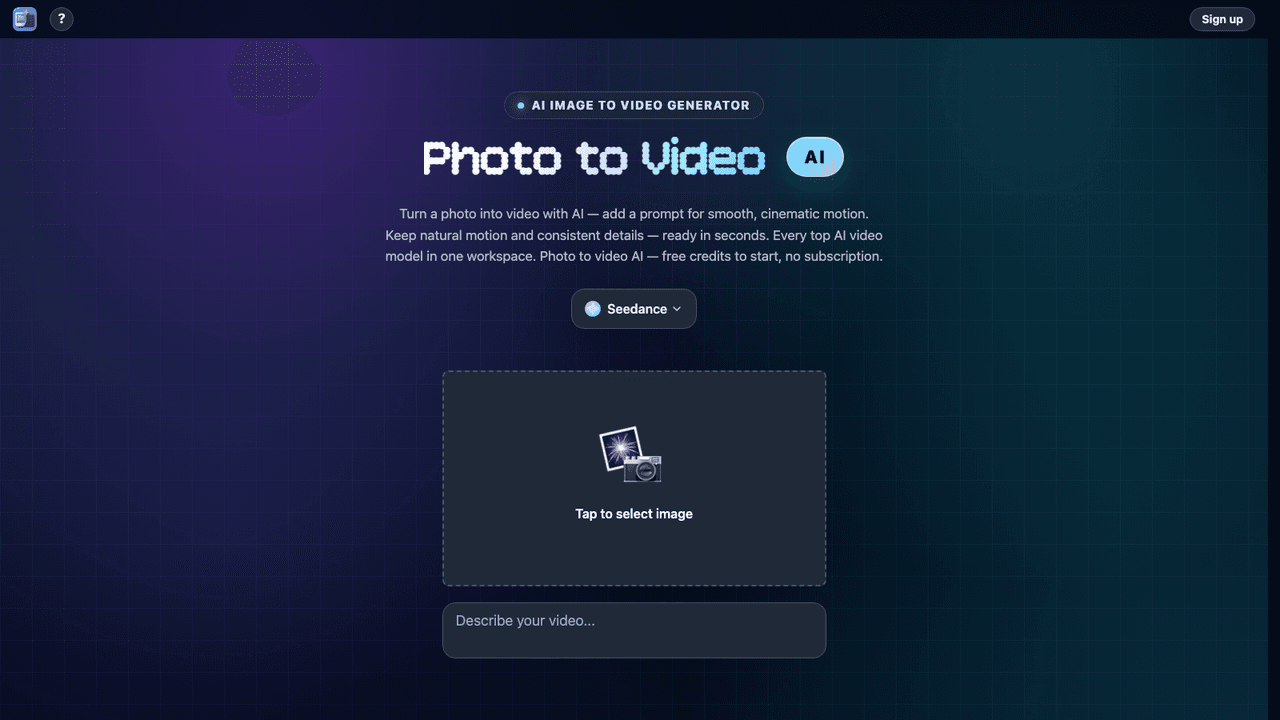
Two things distinguish it from the general run of AI video tools. The first is that it does not train its own models and does not pretend to. It routes work to whichever frontier model fits, naming Veo 3.1, Sora 2, Seedream 5.0 Pro, Seedance 2.5 and Nano Banana Pro on its own site, which means output quality tracks the state of the art rather than one house model that ages. The second is the TikTok orientation, which follows from the CapCut lineage: TikTok, TikTok Shop, TikTok Ads and TikTok Live are called out as target surfaces, and the Reference Video feature exists to take a trending video's script, structure and pacing and rebuild it around your product. That is a candid description of how short-form marketing actually works. The pricing model is the thing to examine before committing, because it is credit-based rather than flat: plans are billed annually, credits refresh monthly, and individual features consume different amounts, so your real cost depends on output volume rather than on the sticker price.
You start from a prompt box and pick whether you want video or image output. For video you supply a link, a file or media as reference, describe what you want, and set aspect ratio, language and duration. The result comes back while you keep chatting to queue the next one, so the working pattern is a conversation producing a batch rather than one render at a time. Reference Video takes an existing trending clip and reuses its narrative shape for your own product. Video Translation re-voices a finished piece into another language. On the image side, the Image Agent produces posters, ads and social graphics, swaps or removes backgrounds, and generates and edits in batches. Digital avatars are picked from a library and used to front product demos, training clips and campaigns in several languages.
- •Anything to Video - A link, file, image or sentence becomes a finished video with your chosen aspect ratio, language and duration
- •Reference Video - Takes a trending clip's script, structure and pacing and rebuilds it around your product
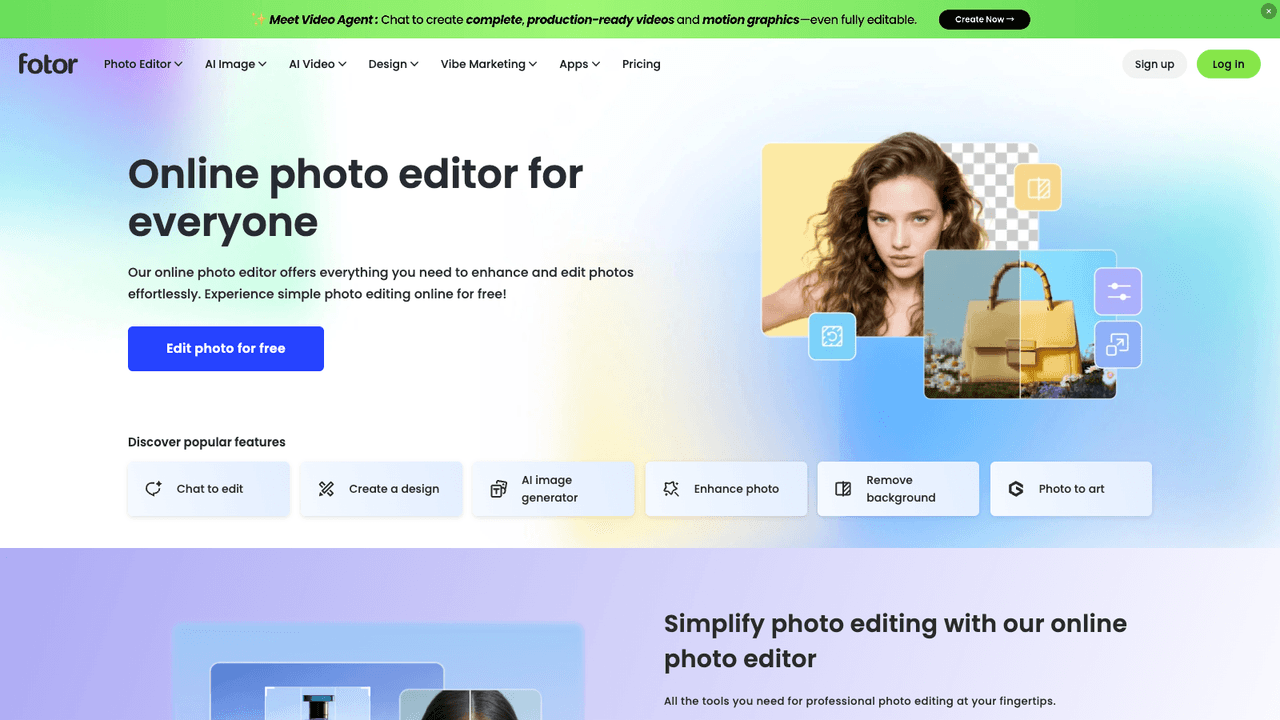
- •Image Agent - Posters, social ads and product images, with background removal and batch generation and editing
- •Digital Avatars - A library of AI presenters for demos, training and campaigns, across multiple languages
- •Video Translation - Re-voices finished videos for other markets rather than requiring a fresh shoot
- •Frontier Models Underneath - Routes to Veo 3.1, Sora 2, Seedream 5.0 Pro, Seedance 2.5 and Nano Banana Pro rather than a single in-house model
Ecommerce sellers, social media managers and small marketing teams who need many assets a week and have neither a studio nor a designer on call. It fits the short-form paid-social workflow especially well, where the job is producing a dozen variations until one earns its place in the feed. The free tier is real, needs no card and includes daily credits, so judging the output on your own products costs nothing, which is the right way to evaluate any generative tool. Two caveats. Credit-based pricing means heavy users should model actual consumption rather than reading the annual price as the total. And if you need fine editorial control over a single important video, a timeline editor will serve you better than an agent optimised for volume.
Pricing
Priced in another currency
- Free$0/mo
- StarterNot listed
- PlusNot listed
- ProNot listed
From the vendor pricing page, 2026-10-08