Google just dropped Personal Intelligence for Gemini (US only, beta). It connects your Gmail, Photos, YouTube, and Search to give Gemini full context about your digital life. Claude launched memory features months ago. But here's the thing, these are fundamentally different approaches to AI personalization, and the choice matters more than the marketing suggests.
What Google's Personal Intelligence Actually Does
Let's cut through the PR speak. Personal Intelligence gives Gemini access to:
- Gmail: Every email you've ever sent or received
- Google Photos: Your entire photo library with metadata
- YouTube: Your watch history, likes, subscriptions
- Search: Your search history goes back years
You toggle which apps connect, and Google promises "data remains secure and under user control." The use case is compelling: "Show me photos from my Tokyo trip where I wore that blue jacket" or "Summarize the action items from emails with my manager this month."
This is powerful. Really powerful. But it's also Google, the company whose entire business model is built on knowing everything about you and serving ads based on that knowledge. So your privacy is out the window, and ads are going to start creeping in from the floorboards.
Claude's Memory: A Different Philosophy
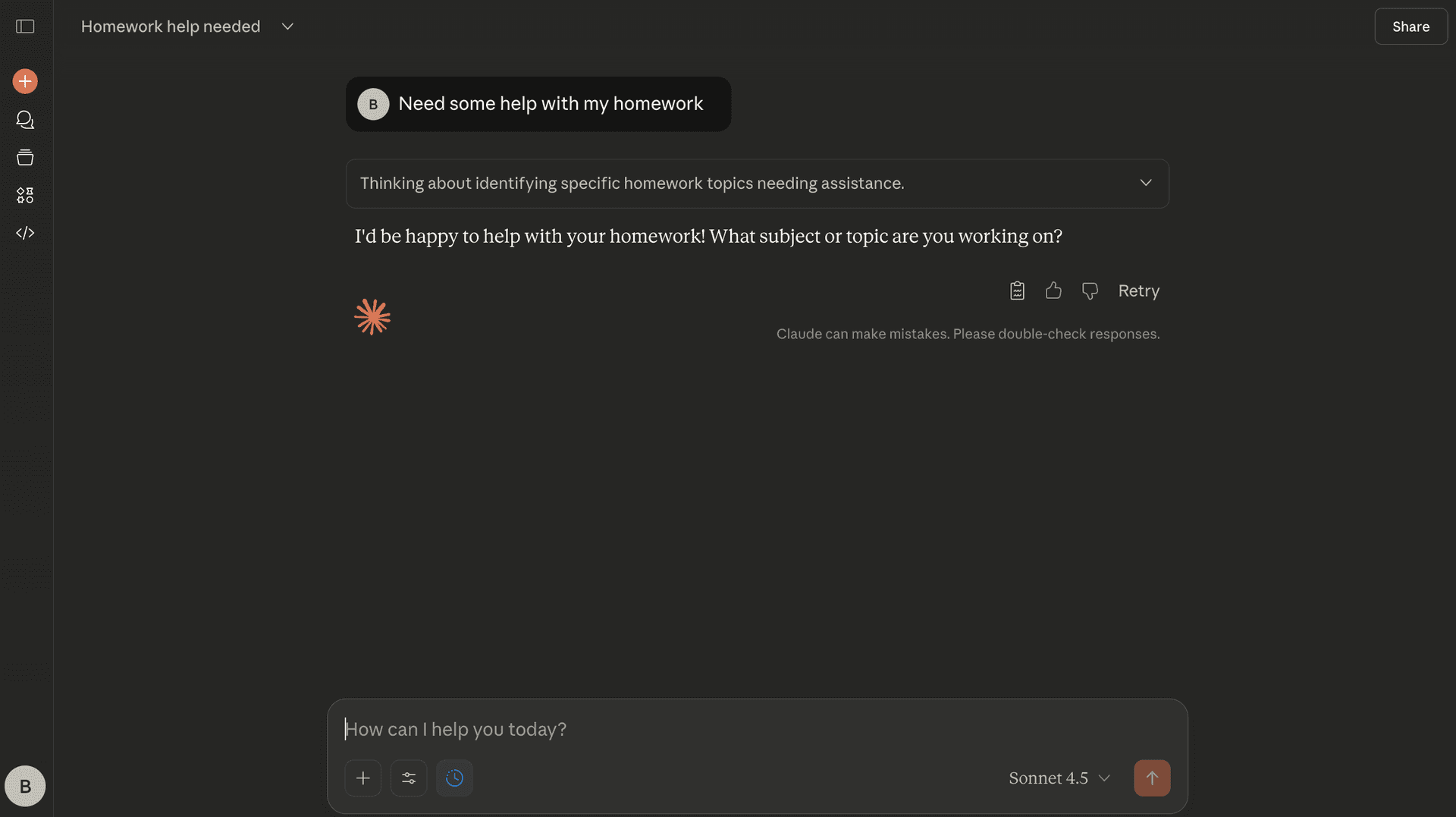
Claude's memory works entirely differently. It learns from your conversations, not by indexing your external data.
Here's what Claude remembers about me:
- I'm a senior developer at ICANotes
- I work with Node.js, MySQL, and AWS
- I have a toddler at home
- I run intelligenttools.co
- I use a Sony A6400 for photography
Key difference: Claude doesn't have access to my email, photos, or search history unless I explicitly paste that content into our conversation. It's more limited in scope, but also more contained in access.
The Real Trade-Off (From a Developer's Perspective)
I work with healthcare software. HIPAA compliance is my daily reality. So I think about AI access differently than most people.
Gemini's Approach
Gemini offers genuine personalization without you having to share context every time manually. It remembers everything automatically because it's constantly reading your Gmail, Photos, and search history. The AI can make connections you didn't explicitly tell it about. But that same strength is also its weakness; you're giving it full access to your digital exhaust, everything you've ever searched, watched, or photographed. That makes it harder to audit what it actually "knows" about you or how that information is used. And let's be honest, Google's entire ad business creates an inherent conflict here. They profit from knowing everything about you.
Claude's Approach
Claude takes the opposite path. It only knows what you explicitly tell it in your conversations. There are no external data connections by default, no email reading, no photo scanning, and no search history mining. This makes it much easier to control and audit. You know precisely what Claude knows because you told him directly. But this control comes with trade-offs. You have to provide context every time, which can feel tedious manually. And there's definitely less "magic" in the personalization. Claude won't surprise you by remembering something you mentioned three months ago unless it's been explicitly stored in memory.
Which One Should You Use?
Honestly? Both for different things.
I'm using Claude for all my work-related coding, especially healthcare software with HIPAA requirements. Any technical discussion where I need to control precisely what context the AI has access to goes through Claude. The same goes for production systems where data boundaries actually matter, or for anything involving customer or patient data. The explicit control isn't a hassle in these contexts; it's a requirement.
But I'll try Gemini Personal Intelligence for organizing my photography workflow, where having it see my entire photo library could help. Personal productivity tasks like summarizing my own emails or finding that document I vaguely remember from six months ago? That's where Gemini's deep integration makes sense. Family stuff where Google already has the data anyway, calendar management, trip planning, photo albums. And quick answers that would benefit from my search history, like "what was that restaurant I looked up last week?"
The Question Nobody's Asking
Here's what bothers me about the coverage: everyone's talking about features, but nobody's talking about trust models.
The fundamental question is this: Do you want an AI that knows everything about you from day one by reading all your data, or one that only knows what you explicitly tell it in conversations?
Neither approach is objectively "better." The correct answer depends entirely on what you're using the AI for, how much you trust the company behind it, whether you work in a regulated industry, and your personal comfort level with data access. A photographer organizing personal projects has different needs than a healthcare developer handling patient data. Your risk tolerance matters here.
Is the Price for Convenience Too High?
Google's Personal Intelligence will benefit personal productivity. That Gmail + Photos integration could genuinely change how I organize my photography projects.
But for production work? For healthcare systems? For anything where I need to explain to an auditor exactly what data an AI system accessed?
Claude's boundaries are a feature, not a limitation.
The irony is that Claude's more restrictive approach might actually be better for most professional use cases, while Google's "knows everything" approach is better for personal assistance.
The fight for privacy is getting lifted on a whole other level with the resurgence of AI. This is scary, and in a way, it will open a whole new market for products that can, in turn, protect your data.
The Bottom Line
These aren't competing products - they're different philosophies:
- Google wants to be your digital assistant - it knows your schedule, remembers your preferences, and connects all your data
- Claude wants to be your thinking partner - knows what you tell it, helps you solve problems, respects boundaries
I'm keeping both. Claude for work, Gemini for personal stuff. Because sometimes you want an AI that reads your email, and sometimes you really, really don't.